
The Ultimate Guide to Seed Saving and Regrowing Your Favorite Vegetables
- Culibloom

- Jan 14
- 4 min read
Updated: Mar 9
Seed saving and regrowing vegetables is one of the most rewarding practices for gardeners and home cooks alike. It allows you to extend the life of the foods you grow and purchase while creating a more sustainable kitchen and garden routine. The ultimate guide to seed saving and regrowing your favorite vegetables helps gardeners understand how simple techniques can turn everyday produce into future harvests. By learning how to save seeds and regrow vegetables from kitchen scraps, you reduce waste, lower gardening costs, and develop a deeper connection with the food you grow and enjoy.
Why save seeds and regrow vegetables? One of the most important reasons is sustainability. When gardeners save seeds from healthy plants, they preserve the genetics of crops that thrive in their local growing conditions. Over time, these plants become better adapted to the soil, climate, and care practices of your specific garden. Seed saving also reduces the need to purchase new seeds each season, making gardening more affordable and environmentally friendly. Regrowing vegetables from scraps adds another layer of sustainability by giving new life to parts of produce that might otherwise be discarded. Simple items such as lettuce bases, green onion roots, celery ends, and herb stems can all produce fresh growth with minimal effort.
Learning how to save seeds from your garden is an essential part of the ultimate guide to seed saving and regrowing your favorite vegetables. The process begins by allowing certain plants to fully mature and produce seeds. Vegetables like tomatoes, peppers, cucumbers, beans, and squash are excellent candidates for seed saving. Once the plant reaches full maturity, seeds can be collected, cleaned, and dried before storing them for the next growing season. Proper drying is important because moisture can lead to mold or reduced germination rates. After drying, seeds should be stored in labeled envelopes or airtight containers in a cool, dark location. When planting season returns, these saved seeds can be used to grow new plants that carry the traits of their parent crops.

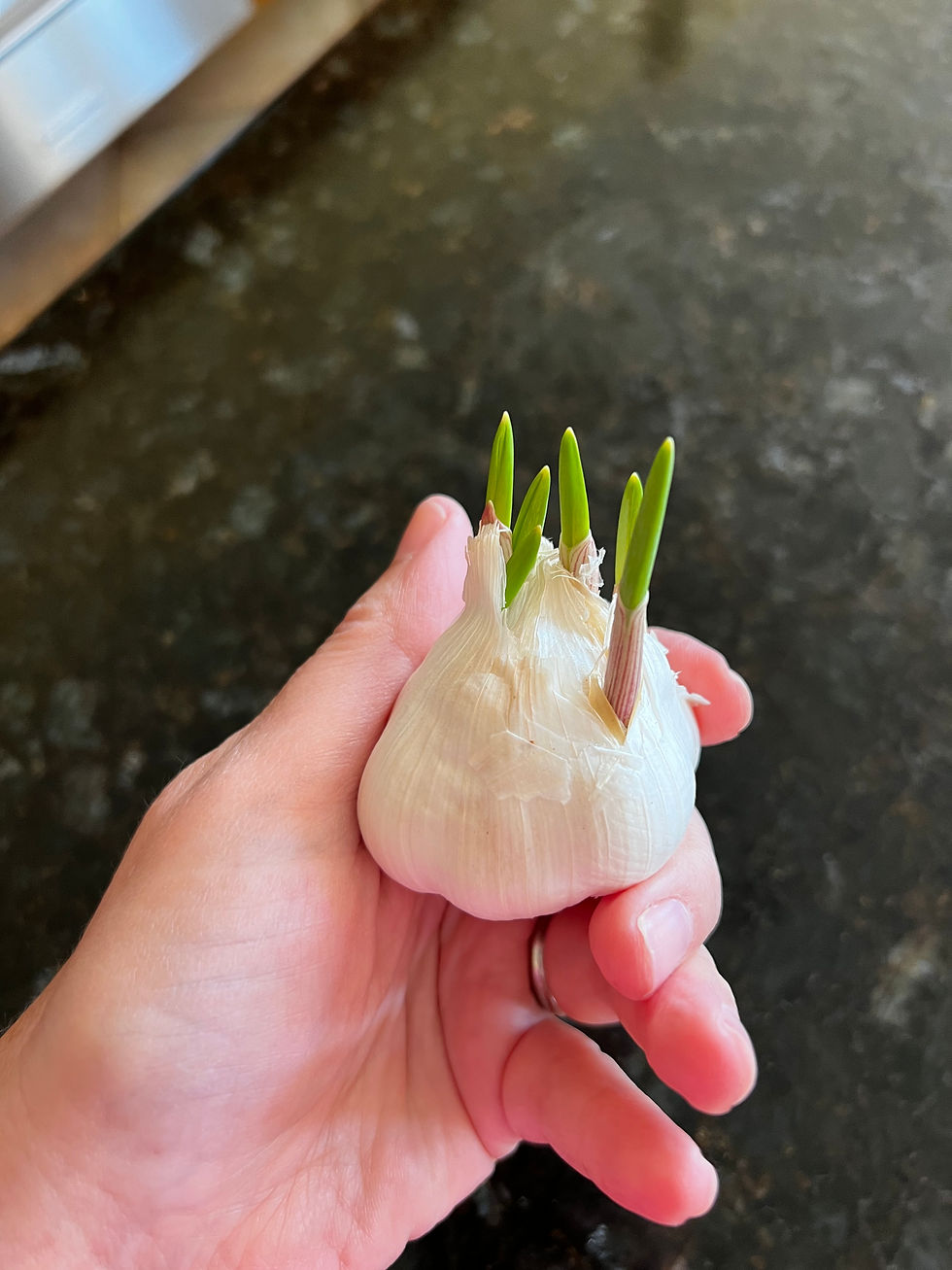
Regrowing vegetables from kitchen scraps is another practical way to extend the life of produce while reducing waste. Many vegetables naturally regenerate when their root or base is placed in water or soil. For example, green onions can regrow simply by placing the white root end in a glass of water near sunlight. Lettuce and celery bases can produce new leaves when set in shallow water before eventually being transferred to soil. Even garlic cloves can sprout into new plants when planted in a small pot or garden bed. These simple methods demonstrate how everyday kitchen scraps can become productive plants with very little effort.
Successful seed saving and regrowing requires a few simple but important practices. Start by choosing healthy, disease free plants since strong parent plants produce stronger seeds. Label seeds clearly with the plant type and collection date so you can keep track of what you have stored. Maintaining proper storage conditions such as low humidity and cool temperatures helps extend seed viability. When regrowing vegetables from scraps, ensure they receive enough sunlight and fresh water to encourage healthy growth. Transferring regrown plants into soil when roots develop helps them continue growing into mature plants.
Like any gardening technique, seed saving and regrowing vegetables can present some challenges. One common issue is cross pollination, which can occur when different varieties of the same vegetable grow close together. This can result in seeds that produce plants with mixed traits. Gardeners can avoid this by growing only one variety of certain crops or by separating varieties by distance. Another challenge is seed viability since some seeds lose their ability to germinate after long storage periods. Proper storage and labeling help reduce this risk. When regrowing vegetables from scraps, slow or weak growth may occur if the scraps are not fresh or if they lack sufficient sunlight and nutrients. Ensuring the scraps are healthy and placing them in well lit areas can greatly improve results.
Encouraging sustainability through seed saving is a powerful way to reduce food waste and support environmentally friendly gardening. Each seed saved represents the potential for future harvests, while every vegetable regrown from scraps helps minimize the amount of food that ends up discarded. Over time, these small actions contribute to a more resilient food system and inspire others to adopt similar habits. Seed saving also preserves heirloom varieties and unique crops that might otherwise disappear from gardens and markets.
The ultimate guide to seed saving and regrowing your favorite vegetables reminds gardeners that growing food does not always require starting from scratch. With a little patience and attention, seeds from your own garden and scraps from your kitchen can become thriving plants that provide fresh harvests again and again. By embracing these simple yet powerful techniques, gardeners can create a more sustainable, productive, and rewarding gardening experience that continues season after season.
Visit the garden page on my website to immerse yourself in a lush world of greenery. On this page, you will find detailed insights into each plant’s growth habits, preferred conditions, culinary uses, and care routines, along with tips for maintaining a vibrant and healthy garden throughout the seasons. Explore practical advice, personal gardening stories, and educational resources that not only showcase the beauty of my cultivated plants but also inspire you to nurture your own thriving garden at home.


Comments