
Creating an Alphabet Garden: A Fun and Educational Activity for Kids
- Culibloom

- Mar 8
- 4 min read
Updated: Mar 10
Gardening is a wonderful way to introduce children to nature while encouraging curiosity and learning. One creative idea that combines outdoor exploration with early literacy is creating an alphabet garden. An alphabet garden is a playful and educational project where each plant represents a different letter of the alphabet. This simple concept transforms gardening into a hands on learning experience that helps children connect letters, words, and plants in a meaningful way.

An alphabet garden can be created in a backyard, raised bed, school garden, or even in containers on a patio or balcony. The idea is to match each letter with a plant, herb, flower, fruit, or vegetable that begins with that letter. As children help plant, water, and care for the garden, they naturally begin to recognize letters and remember plant names. This makes learning feel fun rather than like a lesson.
Children often learn best when they are actively involved in an activity. Gardening allows them to see and touch the soil, smell herbs, and watch plants slowly grow over time. These sensory experiences help reinforce learning while also teaching responsibility. Kids learn that plants need sunlight, water, and care to thrive. At the same time, they are strengthening early reading skills by connecting each plant to a letter of the alphabet.
Another benefit of an alphabet garden is that it encourages healthy eating habits. When children help grow vegetables and fruits, they are often more excited to taste them. Harvesting something they planted themselves can create a sense of pride and excitement about food.
Choosing plants for the alphabet garden can be one of the most enjoyable parts of the project. Families can brainstorm plant names together and decide which ones fit each letter. For example, the letter A can represent arugula, a leafy green that grows quickly and is easy for children to harvest. B can stand for basil, a fragrant herb that children enjoy smelling and using in simple dishes. C can represent carrots, which are fun to pull from the soil once they are ready. D can be dill, a feathery herb that also attracts helpful pollinators.
Continuing through the alphabet, E can represent eggplant, which adds bold color to the garden. F can stand for fennel with its delicate leaves and unique flavor. G can represent garlic, a kitchen staple that grows from a single clove planted in the soil. H can be honeydew melon, a sweet fruit that grows on trailing vines.
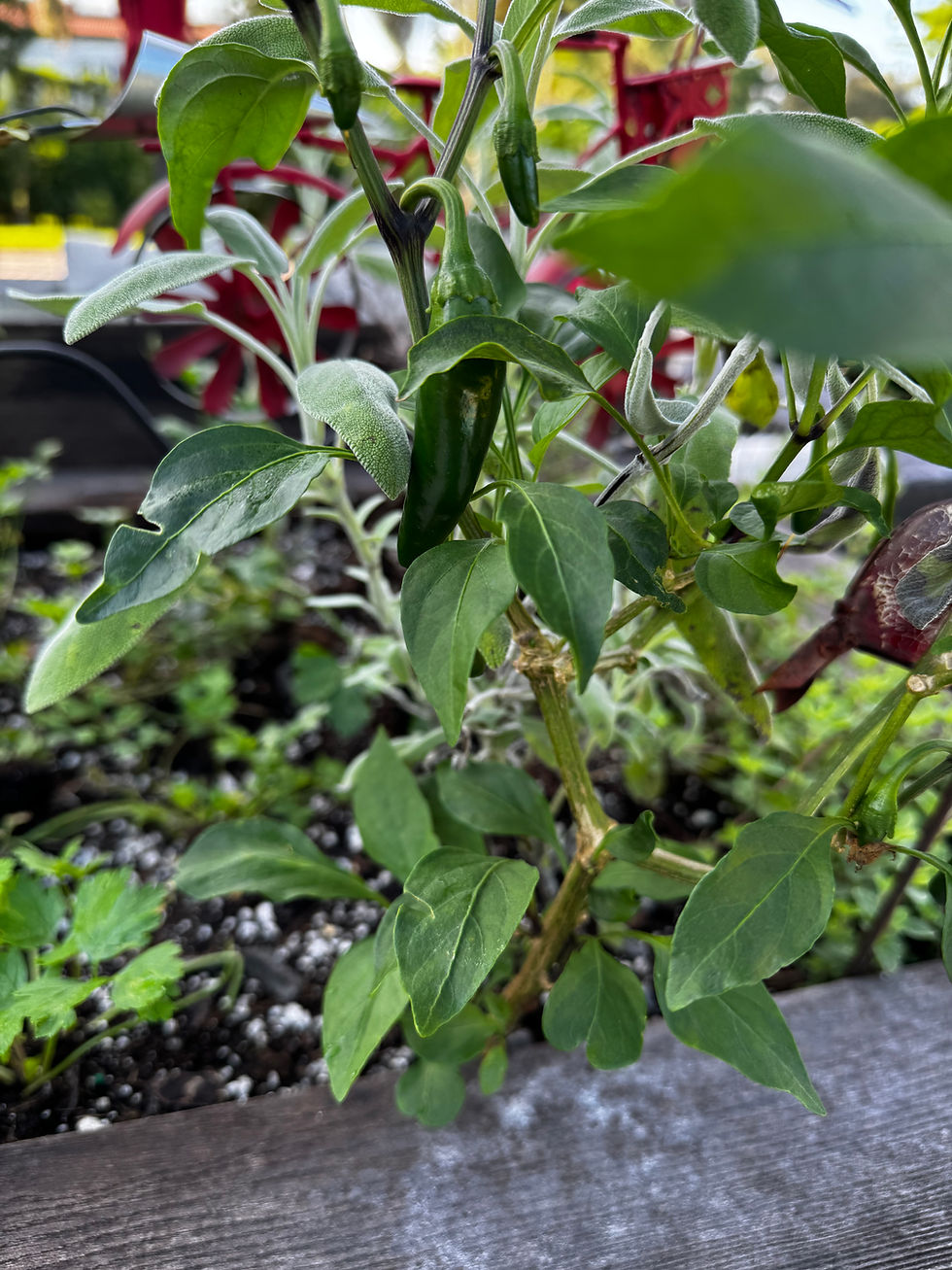
I can represent iceberg lettuce, which grows well in cooler temperatures and is beginner friendly. J can stand for jalapeño peppers, introducing children to different types of peppers. K can represent kale, a hardy leafy green that produces throughout the season. L can be lavender, a fragrant flower that attracts bees and butterflies while adding beauty to the garden.
M can represent mint, a fast growing herb that children recognize by its refreshing scent. N can stand for nasturtiums, colorful edible flowers that brighten the garden and are easy to grow. O can represent oregano, a flavorful herb that thrives in sunny spaces. P can be peas, which climb on vines and are fun for kids to harvest and snack on.
Q can represent quinoa, an ancient grain plant with decorative seed heads. R can stand for radishes, one of the fastest growing vegetables and perfect for young gardeners who enjoy quick results. S can represent strawberries, a favorite fruit that children love picking fresh from the plant. T can be tomatoes, which come in many shapes and colors and grow well in both containers and garden beds.
U can represent upland cress, a leafy green that grows well in garden beds. V can stand for violets, delicate flowers that can also be used as edible garnishes. W can represent watermelon, a summertime fruit that spreads across the garden with large vines. X can be represented by xanthosoma, a tropical plant often called elephant ear that adds dramatic foliage to the garden. Y can represent yarrow, a flowering plant that attracts beneficial insects. Z can stand for zucchini, a productive summer squash that grows quickly and often surprises gardeners with how much it produces.
Designing the layout of an alphabet garden can become another creative activity for kids. Some gardens are arranged in alphabetical rows while others use circular or square garden beds where each section represents a different letter. Small garden markers with letters placed beside each plant help reinforce the connection between the letter and the plant name. Children can decorate these markers with drawings, paint, or stickers to make the garden even more personal and engaging.
The alphabet garden can also become a place for ongoing learning activities. Children can keep a simple garden journal where they draw pictures of the plants and practice writing the letters that match them. Parents and teachers can ask questions such as which plant grows under the letter B or which fruit begins with the letter S. These small moments turn gardening time into an interactive learning experience.
Cooking with ingredients harvested from the garden adds another layer of discovery. Kids begin to understand how food moves from the garden to the kitchen and eventually to the table. This connection helps them appreciate the effort behind growing food while encouraging curiosity about new flavors.
An alphabet garden is more than just a gardening project. It is a creative way to blend literacy, science, and outdoor play into one memorable experience. Children gain confidence as they care for plants and watch them grow, while also strengthening their knowledge of letters and words.
Over time, this simple garden can inspire a deeper interest in nature, healthy food, and learning. What begins as a fun alphabet activity can easily grow into a lifelong appreciation for gardening and the natural world.
Visit the garden page on my website to immerse yourself in a lush world of greenery. On this page, you will find detailed insights into each plant’s growth habits, preferred conditions, culinary uses, and care routines, along with tips for maintaining a vibrant and healthy garden throughout the seasons. Explore practical advice, personal gardening stories, and educational resources that not only showcase the beauty of my cultivated plants but also inspire you to nurture your own thriving garden at home.


Comments