
Common Issues and Solutions for Growing Jalapeño Plants
- Culibloom

- Feb 6
- 4 min read
Updated: Mar 10
Growing jalapeño plants can be a rewarding experience for gardeners who enjoy fresh peppers with bold flavor and a bit of heat. These popular peppers are known for being relatively easy to grow in home gardens, containers, and raised beds. Even though jalapeño plants are hardy, they can sometimes develop problems that affect their growth and productivity. Understanding the most common issues and how to solve them can help ensure healthy plants and a successful harvest.
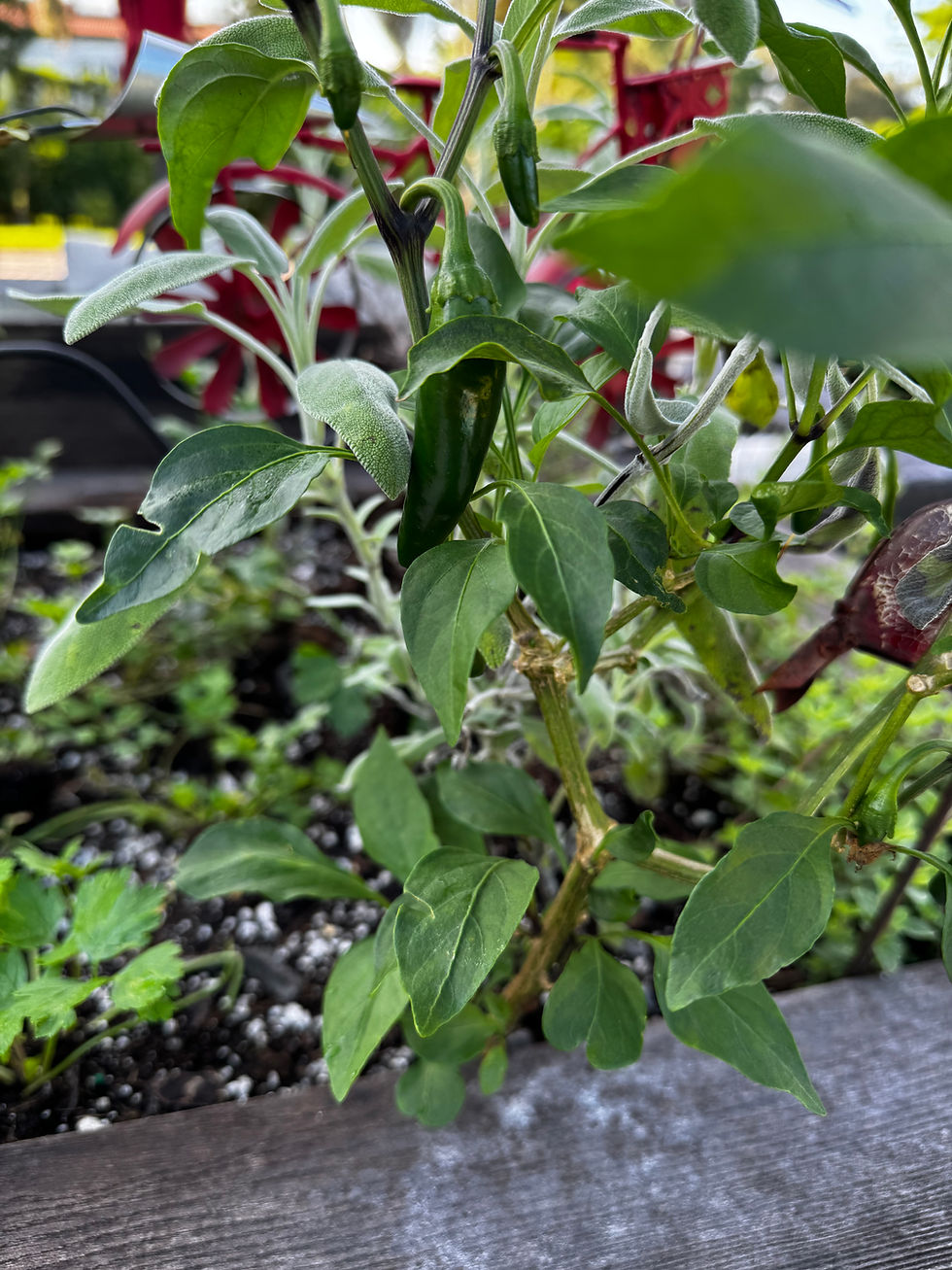
One of the most common concerns gardeners notice when growing jalapeños is yellowing leaves. This often signals a problem with watering or nutrients. Overwatering is a frequent cause because jalapeño plants prefer soil that drains well and is not constantly saturated. Poor drainage can suffocate roots and lead to stressed plants. In some cases, yellow leaves may indicate a lack of nutrients, particularly nitrogen. When the plant cannot access enough nutrients, older leaves often begin to turn pale or yellow. The best way to address this issue is to allow the soil to dry slightly between watering and enrich the soil with compost or a balanced vegetable fertilizer.
Another issue gardeners encounter is when jalapeño plants produce flowers but fail to develop peppers. This can be frustrating because the plant appears healthy and is clearly flowering. Flower drop is often caused by temperature stress. Jalapeño plants prefer warm but moderate conditions, generally between 70 and 85 degrees Fahrenheit. If temperatures become too hot or too cool, flowers may fall before fruit forms. Inconsistent watering can also contribute to blossom drop. Keeping soil moisture consistent and ensuring plants receive plenty of sunlight can help improve fruit production. Encouraging pollinators in the garden may also support better pepper development.
Small or misshapen jalapeños can occur when plants experience uneven growing conditions. Irregular watering is one of the main causes because peppers require steady moisture during fruit development. Nutrient imbalances may also limit pepper size or shape. When plants receive too much nitrogen, they may grow lush foliage but produce fewer peppers. Providing a balanced fertilizer and maintaining consistent watering practices can help peppers grow larger and more uniform.
Blossom end rot is another problem that sometimes appears on jalapeño peppers. It shows up as a dark, sunken area on the bottom of the pepper and can make the fruit unusable. This condition is usually related to calcium deficiency or irregular watering patterns that prevent plants from properly absorbing calcium. Even if calcium is present in the soil, inconsistent moisture can interfere with uptake. Maintaining evenly moist soil and improving soil quality with compost or calcium rich amendments can help reduce the risk of blossom end rot.
Wilting jalapeño plants can also concern gardeners, especially when the soil still appears moist. In many cases this is caused by overwatering, which damages the roots and limits their ability to absorb oxygen. Root rot may develop in soils that remain too wet for long periods. Improving drainage and reducing watering frequency often helps plants recover. Raised beds and well structured soil can greatly improve root health and prevent future problems.
Pests can also affect jalapeño plants throughout the growing season. Aphids, spider mites, and whiteflies are among the most common insects that feed on pepper plants. These pests suck sap from the leaves and stems, weakening the plant and slowing growth. Regularly checking plants for insects is one of the best ways to catch infestations early. Natural solutions such as neem oil or insecticidal soap can help control pests while keeping the garden environment balanced. Encouraging beneficial insects like ladybugs can also help manage pest populations naturally.
Slow growth or low pepper yields may occur when plants do not receive enough sunlight. Jalapeño plants thrive in full sun and require several hours of direct light each day to grow vigorously. Poor soil quality can also limit growth because peppers need nutrient rich soil to produce healthy foliage and fruit. Amending soil with compost and organic matter improves fertility and structure, giving plants the resources they need to develop properly.
Successful jalapeño gardening often comes down to maintaining consistent care. Providing adequate sunlight, balanced nutrients, and proper watering creates strong plants that are better able to resist pests and environmental stress. Observing plants regularly allows gardeners to detect early warning signs before small problems become serious issues.
Understanding common issues and solutions for growing jalapeño plants can make a significant difference in the health and productivity of your garden. With the right growing conditions and attentive care, jalapeño plants can flourish and provide a steady harvest of vibrant peppers throughout the season. Fresh jalapeños grown at home not only enhance meals with their spicy flavor but also bring the satisfaction of cultivating your own thriving garden.
Visit the garden page on my website to immerse yourself in a lush world of greenery. On this page, you will find detailed insights into each plant’s growth habits, preferred conditions, culinary uses, and care routines, along with tips for maintaining a vibrant and healthy garden throughout the seasons. Explore practical advice, personal gardening stories, and educational resources that not only showcase the beauty of my cultivated plants but also inspire you to nurture your own thriving garden at home.


Comments