

In my garden, I am thrilled to reveal that a diverse array fruit trees, lively herbs, and charming flowers are flourishing. The fruit trees set to deliver a plentiful harvest, and the herbs contribute both flavor and aroma my cooking. The edible flowers not only enhance the beauty of the garden but also add a special flair to my meals. It is a wonderful mix of nature's gifts that elevates both my and my kitchen!

Purple and Pink Vanda Orchid
A purple and pink Vanda orchid is a striking tropical bloom known for its vibrant color, intricate veining, and long-lasting flowers. Featuring large, showy petals in shades of magenta, lavender, and soft pink, this exotic orchid adds bold beauty to gardens, patios, and indoor plant collections. Vanda orchids thrive in bright light and warm climates, making them a favorite among orchid enthusiasts and collectors. Perfect for tropical landscaping or decorative containers, the purple and pink Vanda orchid brings elegance, color, and a dramatic focal point to any space.

Jalapeño and Oregano
Jalapeños and oregano growing together in the garden create a flavorful and beneficial partnership that supports healthy plants and productive harvests. Jalapeño peppers thrive in warm, sunny conditions with well drained soil, while oregano spreads gently at the base, forming a fragrant ground cover that helps retain moisture and suppress weeds. This pairing is not only practical but also visually appealing, with glossy green peppers contrasting against clusters of aromatic oregano leaves.
Companion planting jalapeños with oregano can naturally improve garden health. Oregano’s strong scent may help deter common pests such as aphids and spider mites, reducing the need for chemical interventions. At the same time, its low growing habit protects the soil from erosion and excessive evaporation, especially in hot climates. Jalapeños benefit from consistent soil moisture and airflow, both of which can be supported by strategically planting oregano nearby without overcrowding.
For best results, space jalapeño plants about 12 to 18 inches apart to allow proper air circulation. Plant oregano along the edges of the bed or between pepper plants where it can spread without competing heavily for nutrients. Both plants prefer full sun and moderate watering, making them ideal companions in raised beds, container gardens, or traditional in ground plots.
Growing jalapeños and oregano together is a smart, sustainable gardening strategy that enhances flavor in the kitchen while supporting a healthier, more resilient vegetable garden.

Orange Zinnia
Orange zinnias are vibrant, sun-loving flowers known for their bold, fiery petals and bright golden centers. These edible garden blooms add striking color to flower beds, containers, and pollinator gardens. Orange zinnias thrive in warm climates and bloom generously from late spring through fall, making them a favorite for home gardeners looking to grow edible flowers. Their cheerful appearance and easy care requirements make them ideal for both ornamental landscaping and culinary presentation.
Flavor Profile
Orange zinnia petals have a mild, slightly bitter flavor with subtle earthy notes. The taste is delicate rather than sweet, making them best used as a visual enhancement rather than a dominant ingredient. The petals are soft and tender, while the center can be more firm and slightly stronger in flavor. When harvested fresh, they offer a clean, garden-fresh taste that pairs well with light dishes.
Culinary Uses
Orange zinnias are edible flowers commonly used to elevate the presentation of salads, desserts, and beverages. The petals can be gently separated and sprinkled over green salads, fruit platters, or gluten-free baked goods for a vibrant pop of color. They make beautiful garnishes for cakes, cupcakes, and tarts, especially in summer-themed recipes.
These edible blooms can also be used to decorate charcuterie boards, infused into simple syrups for floral-inspired drinks, or frozen into ice cubes for an elegant touch to lemonades and sparkling water. For best results, use organically grown flowers free from pesticides and harvest them at peak freshness.
Orange zinnias combine garden beauty with culinary creativity, making them a versatile and eye-catching addition to edible flower recipes.

Multi-colored Zinnias
Multi-colored zinnias are vibrant, easy-to-grow annual flowers that bring bold color and long-lasting blooms to any garden. Known for their bright shades of pink, orange, red, yellow, purple, and white, zinnias create a cheerful display from late spring through fall. Their daisy-like blooms feature layered petals and golden centers that attract butterflies and other pollinators, making them a favorite for flower beds, borders, and cutting gardens.
Zinnias thrive in full sun and require at least six to eight hours of direct sunlight daily for optimal flowering. These warm-season flowers prefer well-draining soil with moderate fertility. While they tolerate average garden soil, enriching the planting area with compost encourages stronger growth and more abundant blooms. Zinnias do not like wet feet, so proper drainage is essential to prevent root rot and fungal issues.
Consistent watering is important during the early growth stage, but once established, zinnias are relatively drought tolerant. Water at the base of the plant rather than overhead to reduce the risk of powdery mildew. Good air circulation also helps keep foliage healthy, especially in humid climates.
Plant zinnia seeds directly in the garden after the last frost when soil temperatures have warmed. They germinate quickly and typically bloom within six to eight weeks. Deadheading spent flowers encourages continuous blooming throughout the growing season. With minimal care and maximum color impact, multi-colored zinnias are an excellent choice for beginner and experienced gardeners alike who want reliable summer flowers.

Gardenia Bush
The gardenia bush is a fragrant evergreen shrub prized for its creamy white blooms and glossy deep green foliage. Known for its rich floral scent, gardenias are a favorite in Southern landscapes, container gardens, and patio plantings. Their waxy, rose-like flowers bloom from late spring through summer, creating a stunning contrast against their dark leaves. Gardenias are often grown near entryways, walkways, and outdoor living spaces where their perfume can be fully enjoyed.
Popular varieties such as Gardenia jasminoides are widely cultivated for their beauty, fragrance, and compact growth habit, making them ideal for both garden beds and decorative pots.
Ideal Growing Conditions for Gardenia Bushes
Gardenias thrive in warm, humid climates and prefer USDA growing zones 7 through 11. They perform best in well drained, acidic soil with a pH between 5.0 and 6.5. Amending soil with organic matter such as compost or peat moss helps improve drainage while maintaining the acidity gardenias need to flourish.
These flowering shrubs grow best in partial sun, receiving morning sunlight and afternoon shade. In hotter regions like South Florida, filtered light helps prevent leaf scorch while still encouraging abundant blooms. Gardenias require consistent moisture but should not sit in waterlogged soil. Regular watering that keeps the soil evenly moist is key to preventing bud drop and yellowing leaves.
High humidity supports healthy growth and flowering. In drier climates, misting or placing the plant near other greenery can help maintain adequate moisture in the air. Fertilize gardenias with an acid loving plant fertilizer during the growing season to promote lush foliage and continuous blooms
.
With proper soil, light, and consistent care, gardenia bushes reward gardeners with fragrant blossoms and year round evergreen beauty.
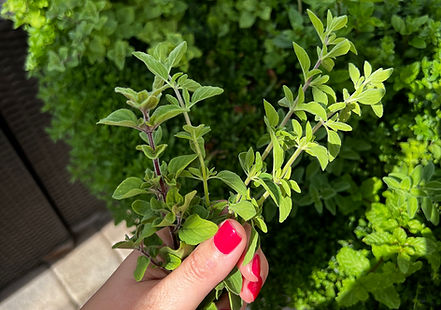
Oregano
Oregano is a bold, aromatic herb widely used in Mediterranean and Latin cuisines. Known for its earthy fragrance and slightly peppery bite, oregano adds depth and warmth to a wide variety of savory dishes. Whether used fresh or dried, this versatile herb enhances sauces, meats, vegetables, and breads with its unmistakable flavor.
Flavor Profile
Oregano has a robust, herbaceous flavor with notes of earthiness, mild bitterness, and a subtle citrus undertone. Dried oregano tends to have a stronger, more concentrated taste, while fresh oregano offers a brighter, greener flavor. Its slightly pungent character makes it ideal for balancing rich ingredients like olive oil, cheese, and slow cooked meats.
The herb contains natural aromatic compounds that give it a warm, savory intensity often associated with classic Italian and Greek cooking. Its bold flavor holds up well during long cooking times, making it perfect for simmered sauces and roasted dishes.
Culinary Uses
Oregano is a staple ingredient in Mediterranean recipes such as tomato based pasta sauces, grilled meats, and rustic breads. It pairs beautifully with garlic, lemon, olive oil, and tomatoes. In Italian cooking, oregano is often used in pizza sauce, marinades, and baked dishes. In Greek cuisine, it seasons roasted vegetables, lamb, and traditional salads.
This versatile herb is also popular in Mexican and Latin American dishes, where it enhances chili, beans, tacos, and hearty stews. Sprinkle dried oregano over roasted potatoes, mix it into vinaigrettes, or add it to homemade spice blends for an extra layer of savory flavor.
Fresh oregano works well as a finishing herb, while dried oregano is best added earlier in the cooking process to allow its flavor to fully develop.
Oregano remains a kitchen essential for home cooks seeking bold flavor and authentic Mediterranean taste in everyday recipes.