
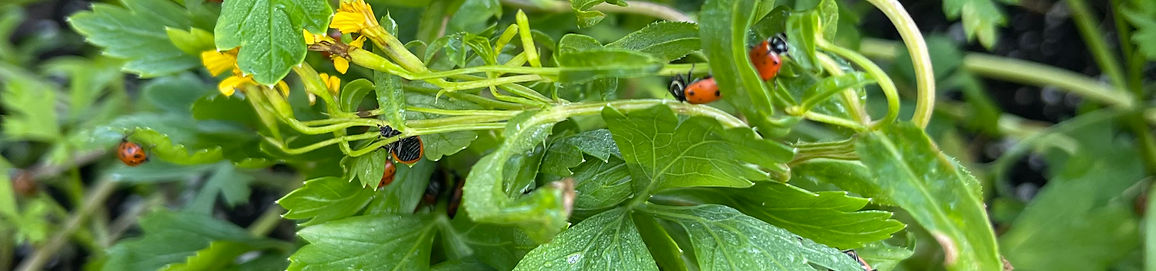
Mexican Marigold
Mexican marigold, also known as Mexican mint marigold or Texas tarragon, is a fragrant herb prized for its bright citrus aroma and natural anise-like flavor. Botanically called Tagetes lucida, this vibrant yellow flowering plant is widely grown in warm climates as a flavorful substitute for French tarragon. It thrives in hot, sunny gardens, making it especially popular in southern regions where traditional tarragon struggles in the heat.
Flavor Profile
Mexican marigold offers a sweet, licorice-like taste similar to tarragon, with subtle notes of citrus and mild spice. The leaves release a refreshing herbal fragrance when crushed, combining hints of anise, mint, and lemon zest. Unlike common ornamental marigolds, this variety is specifically valued for its culinary qualities rather than just its flowers.
Its flavor is smooth and balanced, not overpowering, which makes it versatile in both savory and sweet dishes. The fresh leaves deliver the brightest taste, while dried leaves develop a slightly deeper, tea-like character.
Culinary Uses
Mexican marigold is often used as a heat-tolerant substitute for French tarragon in recipes such as salad dressings, compound butters, marinades, and herb sauces. Finely chopped fresh leaves can be stirred into vinaigrettes, sprinkled over roasted vegetables, or folded into egg dishes for a light anise accent.
The herb pairs beautifully with chicken, fish, and pork, enhancing dishes without overwhelming other flavors. It also complements citrus-based recipes, fresh summer salads, and garden-inspired meals.
In beverages, Mexican marigold leaves are commonly brewed into herbal tea, offering a naturally sweet, soothing infusion with gentle licorice undertones. The fresh leaves can also be infused into syrups, honey, or simple syrups for cocktails and desserts.
For gardeners and home cooks looking to grow flavorful herbs in hot climates, Mexican marigold is an excellent addition to both kitchen gardens and edible landscapes. Its bright blooms attract pollinators while the aromatic leaves provide a steady supply of fresh, tarragon-like flavor throughout the growing season.
