
Bi-Colored Sage
Bi-Colored Sage is a stunning and aromatic herb known for its vibrant purple and white blooms and highly fragrant leaves. Popular in both ornamental gardens and culinary herb beds, this variety of sage adds beauty, bold flavor, and versatility to any kitchen garden. Its striking flowers attract pollinators, while its earthy aroma makes it a valuable herb for home cooks and chefs alike.
Bi-Colored Sage features tall, upright stems with soft green, slightly textured leaves and eye-catching two-toned flowers in shades of deep purple and crisp white. This hardy perennial thrives in full sun and well-drained soil, making it an excellent choice for herb gardens, raised beds, and decorative borders. In addition to its visual appeal, the plant releases a warm, herbal fragrance when brushed or harvested.
Flavor Profile
The flavor of Bi-Colored Sage is robust, earthy, and slightly peppery with subtle pine and citrus undertones. It has a savory depth that becomes richer when cooked, making it ideal for enhancing hearty dishes. When used fresh, the leaves offer a brighter herbal note, while dried leaves concentrate the warm, woodsy character sage is known for.
Culinary Uses
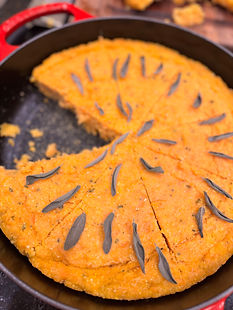
Bi-Colored Sage is a versatile culinary herb that pairs beautifully with roasted vegetables, poultry, pork, and gluten-free pasta dishes. It is especially delicious when crisped in butter and spooned over ravioli, gnocchi, or mashed potatoes. The leaves can be finely chopped and added to stuffing, savory breads, and herb blends. It also infuses oils and compound butters with a fragrant, savory depth. For a simple preparation, fry whole sage leaves in olive oil until crisp and use them as a flavorful garnish for soups, risottos, and fall-inspired recipes.
Bi-Colored Sage offers both ornamental beauty and rich culinary value, making it a standout herb for gardeners and home cooks seeking bold flavor and visual appeal.