
Essential Garden Tools Every Gardener Should Have
- Culibloom

- Dec 16, 2025
- 3 min read
Gardening can be a rewarding and relaxing hobby, but having the right tools makes all the difference. Whether you are planting flowers, growing vegetables, or maintaining a lush lawn, the right garden tools help you work efficiently and enjoy the process. This guide covers the essential garden tools every gardener should have to make gardening easier and more productive.
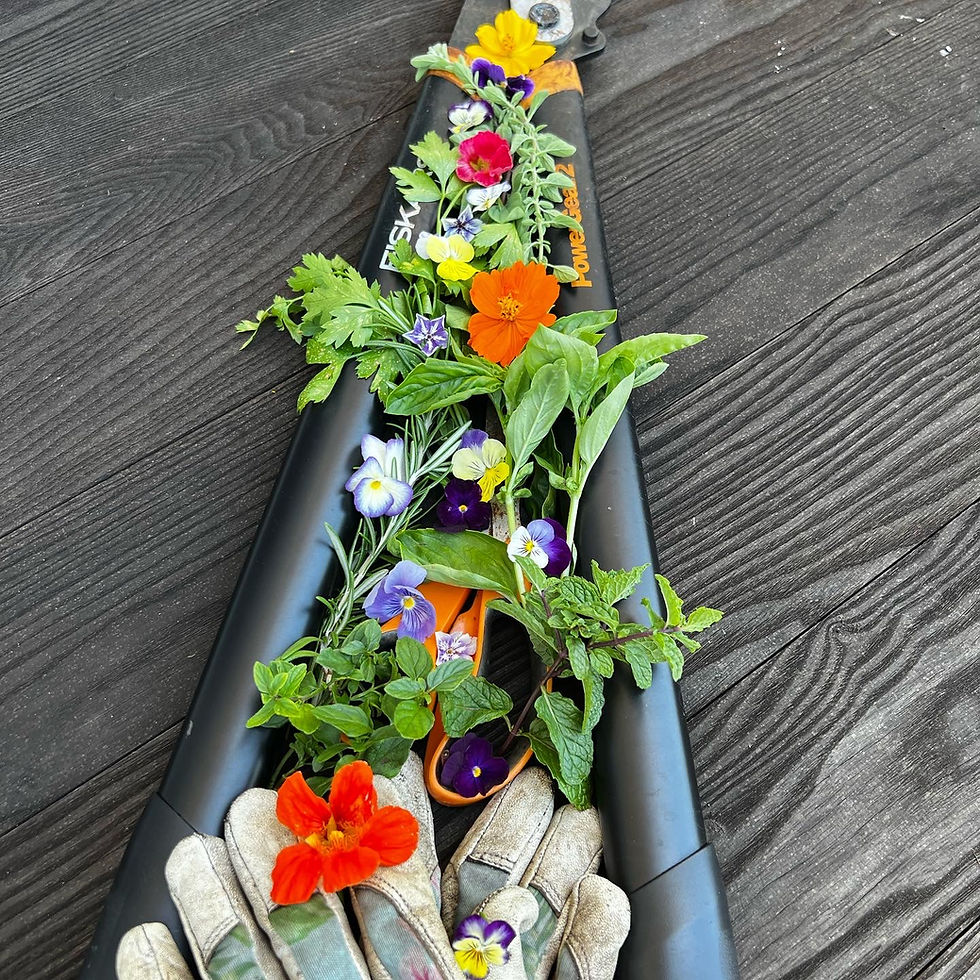
Hand Tools for Planting and Maintenance
Hand tools are the backbone of any gardener’s toolkit. They allow you to work closely with your plants and soil, making tasks like planting, weeding, and pruning manageable.
Trowel
A trowel is a small hand shovel perfect for digging holes for seeds, bulbs, and small plants. Look for one with a comfortable grip and a sturdy blade made of stainless steel or carbon steel for durability.
Pruning Shears
Also called secateurs, pruning shears help you trim dead or overgrown branches and stems. Sharp blades ensure clean cuts, which promote healthy plant growth. Bypass pruners are ideal for live plants, while anvil pruners work well for dead wood.
Hand Fork
This tool is useful for loosening soil, removing weeds, and aerating small garden beds. Its short, sturdy tines make it easier to work in tight spaces.
Weeder
A specialized tool designed to remove weeds by the roots, preventing them from growing back quickly. Some weeders have a forked tip to dig deep and pull out stubborn weeds.
Larger Tools for Soil Preparation and Planting
For bigger gardening tasks, larger tools help you prepare the soil and manage larger areas more efficiently.
Garden Hoe
A hoe is excellent for breaking up soil, shaping beds, and removing weeds over larger areas. There are different types, such as the draw hoe and the stirrup hoe, each suited for specific tasks.
Spade
A spade has a flat, rectangular blade perfect for digging, edging, and moving soil or compost. It’s essential for planting larger plants or trees and for dividing perennials.
Garden Fork
This tool is great for turning soil, breaking up compacted earth, and mixing in compost or fertilizer. Its sturdy tines make it easier to work in heavy or clay soils.
Rake
Use a rake to level soil, remove debris, and spread mulch or compost evenly. Leaf rakes with flexible tines are good for clearing leaves, while garden rakes with rigid tines work well for soil.
Watering Tools to Keep Plants Healthy
Proper watering is crucial for plant health, and having the right tools makes watering more efficient.
Garden Hose with Adjustable Nozzle
A flexible garden hose with an adjustable nozzle allows you to control water flow and pressure. This helps avoid damaging delicate plants while ensuring thorough watering.
Watering Can
For smaller gardens or container plants, a watering can provides precise watering. Choose one with a comfortable handle and a spout that delivers a gentle shower.
Soaker Hose or Drip Irrigation
These tools deliver water directly to the roots, reducing water waste and keeping foliage dry, which helps prevent disease.
Protective Gear and Accessories
Gardening can be tough on your hands and body, so protective gear is important for comfort and safety.
Gardening Gloves
Gloves protect your hands from thorns, dirt, and blisters. Choose gloves made of breathable material with reinforced fingertips for durability.
Kneeling Pad or Garden Kneeler
These provide cushioning for your knees when working close to the ground, reducing strain and discomfort.
Tool Belt or Tote
Keeping your tools organized and within reach saves time and effort. A sturdy tote or belt with multiple pockets helps you carry essentials easily.
Tips for Choosing and Caring for Garden Tools
Investing in quality tools pays off in the long run. Here are some tips to help you choose and maintain your garden tools:
Choose Tools with Comfortable Handles
Ergonomic handles reduce hand fatigue and make gardening more enjoyable.
Select Rust-Resistant Materials
Stainless steel or coated metal tools last longer and require less maintenance.
Clean Tools After Use
Remove soil and plant residue to prevent rust and disease spread.
Sharpen Blades Regularly
Sharp blades make cleaner cuts and reduce damage to plants.
Store Tools Properly
Keep tools in a dry, sheltered place to extend their lifespan.


Comments