
10 Amazing Benefits of Growing Nasturtiums in Your Garden
- Culibloom

- Dec 13, 2025
- 3 min read
Nasturtiums are more than just bright, cheerful flowers. Gardeners who grow them often discover a range of surprising benefits that go beyond their beauty. Whether you are a beginner or an experienced gardener, adding nasturtiums to your garden can improve plant health, attract helpful insects, and even provide edible delights. This post explores ten practical reasons why nasturtiums deserve a spot in your garden.
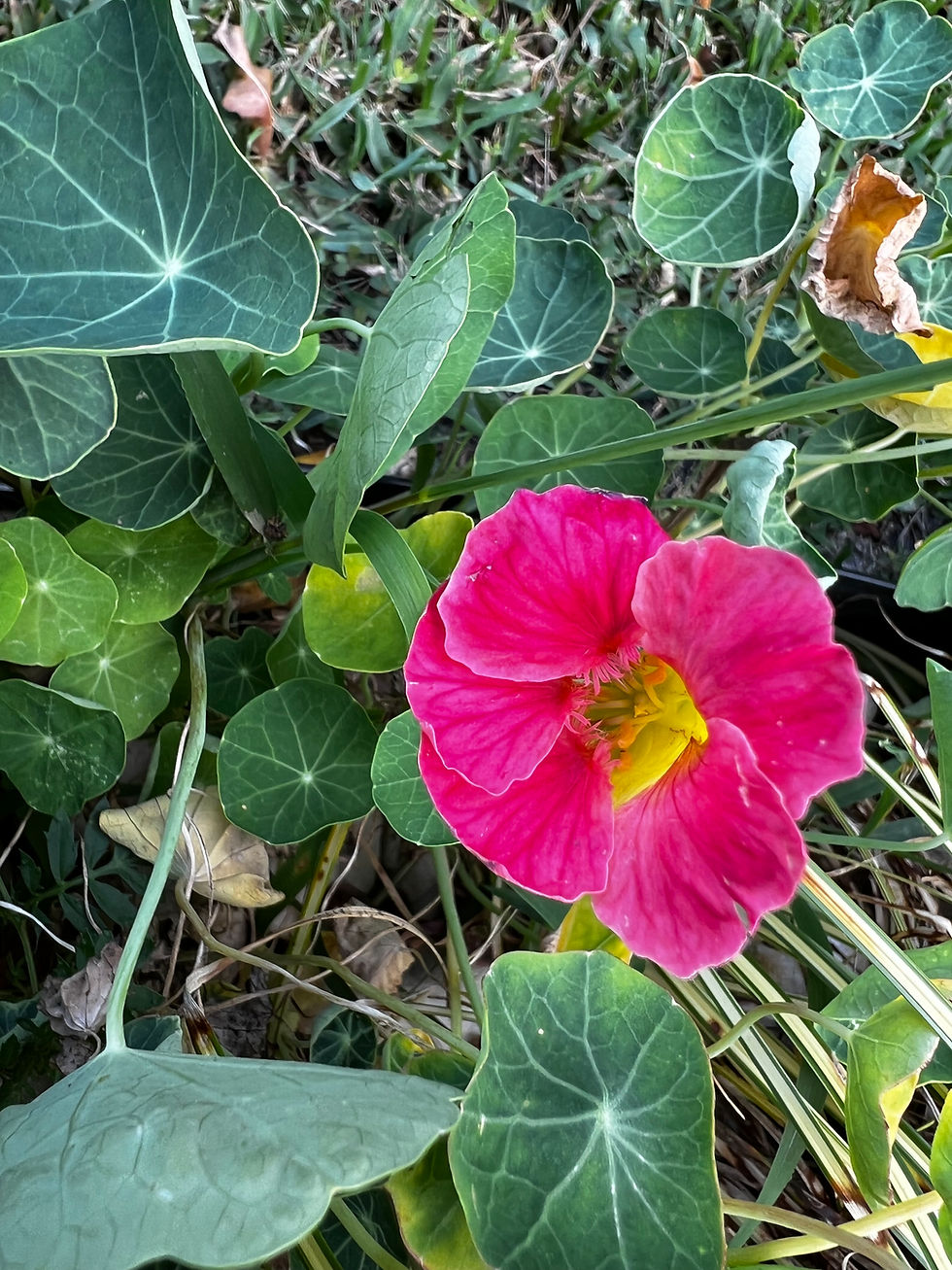
1. Nasturtiums act as Natural Pest Control
Nasturtiums act as a natural pest deterrent. They attract aphids and other pests away from valuable vegetables and flowers, serving as a trap crop. This means nasturtiums protect your main plants by drawing pests toward themselves, reducing the need for chemical pesticides.
For example, planting nasturtiums near tomatoes or cucumbers can help keep aphids and whiteflies at bay. This simple strategy supports organic gardening and promotes a healthier garden ecosystem.
2. Nasturtiums Attract Beneficial Pollinators
The bright, nectar-rich flowers of nasturtiums attract pollinators such as bees, butterflies, and hummingbirds. These visitors are essential for the pollination of many garden plants, improving fruit and seed production.
By planting nasturtiums, you encourage a lively pollinator presence, which benefits your entire garden. This is especially helpful in vegetable gardens where pollination directly affects yield.
3. Nasturtiums have Edible Flowers and Leaves
Nasturtiums are edible and add a peppery, slightly spicy flavor to salads, sandwiches, and garnishes. Both the flowers and leaves can be eaten fresh or used in cooking.
Including nasturtiums in your garden means you have a fresh, colorful ingredient at hand. Their vibrant orange, red, and yellow flowers brighten dishes while providing a nutritional boost rich in vitamin C.
4. Nasturtiums are Easy to Grow and Maintain
Nasturtiums thrive in a variety of soil types and require minimal care. They grow well in poor soil where other plants might struggle, making them ideal for beginners or gardeners with less fertile ground.
They need moderate watering and plenty of sunlight but are generally resistant to many common plant diseases. This ease of growth makes nasturtiums a reliable choice for adding color and function to your garden.
5. Soil Improvement
Nasturtiums contribute to soil health by preventing erosion with their dense foliage and spreading growth habit. Their roots help loosen compacted soil, improving aeration and water penetration.
Planting nasturtiums as ground cover can protect bare soil during off-seasons, reducing nutrient loss and preparing the ground for future planting.
6. Companion Planting Benefits
Nasturtiums work well as companion plants. They improve the growth of nearby vegetables like beans, cabbage, and cucumbers by repelling harmful insects and attracting beneficial ones.
For instance, gardeners often plant nasturtiums alongside cabbage to reduce damage from cabbage worms. This natural partnership supports healthier crops without extra effort.
7. Attractive Ground Cover
With their trailing vines and lush leaves, nasturtiums make excellent ground cover. They fill empty spaces in garden beds, suppress weeds, and add visual interest with their colorful blooms.
Using nasturtiums as ground cover can reduce the time spent weeding and help maintain a tidy garden appearance throughout the growing season.
8. Versatile Growing Options
Nasturtiums can be grown in garden beds, containers, hanging baskets, or even window boxes. Their adaptability allows gardeners with limited space to enjoy their benefits.
For urban gardeners or those with small patios, nasturtiums provide a splash of color and function without requiring a large garden area.
9. Support for Wildlife
Beyond pollinators, nasturtiums provide shelter and food for various beneficial insects and small wildlife. Ladybugs, which prey on aphids, are often attracted to nasturtium plants.
Encouraging these natural predators helps maintain a balanced garden ecosystem and reduces pest outbreaks naturally.
10. Long Blooming Season
Nasturtiums bloom from late spring until the first frost, offering continuous color and benefits for many months. Their long flowering period ensures ongoing attraction of pollinators and pest control throughout the growing season.
This extended bloom time makes nasturtiums a valuable addition for gardeners seeking lasting garden interest and function.
Visit the garden page on my website to immerse yourself in a lush world of greenery. On this page, you will find detailed insights into each plant’s growth habits, preferred conditions, culinary uses, and care routines, along with tips for maintaining a vibrant and healthy garden throughout the seasons. Explore practical advice, personal gardening stories, and educational resources that not only showcase the beauty of my cultivated plants but also inspire you to nurture your own thriving garden at home.


Comments